
.png)
 10 hours ago
5
10 hours ago
5
ARTICLE AD BOX
Hopes are fading for a swift end to the conflict with Iran after the United States carried out what it called ‘defensive strikes’ in southern Iran.
U.S. forces attacked missile launch sites and mine-laying vessels in the region, a military spokesman said. “The strikes were an act of self-defense,” he added.
Earlier, Iranian media reported explosions in the southern port city of Bandar Abbas. It is at a time when top Iranian negotiators have traveled to Qatar to discuss key issues in a potential deal. The talks aim to end the U.S.-Israeli war on Iran.
Deal could take days
Meanwhile on Tuesday, U.S. Secretary of State Marco Rubio said negotiating a deal with Iran could “take a few days,” fading hopes for an end to the conflict.
Describing the strikes against targets including boats, Rubio said the Strait of Hormuz has to be open “one way or the other.”
U.S. Secretary of State Marco Rubio told reporters in New Delhi that the U.S. would give diplomacy every chance to succeed. Only then would it consider dealing with Iran in “another way.”
Rubio said a solid proposal was on the table. It would allow Iran to open the Strait of Hormuz and enter a time-limited negotiation on nuclear matters. “Hopefully we can pull it off,” he said.
On Monday, Trump posted on Truth Social that talks with Iran were going “nicely.” But he warned of fresh attacks if they fail. “It will only be a Great Deal for all, or no Deal at all,” he wrote.
Abraham Accords
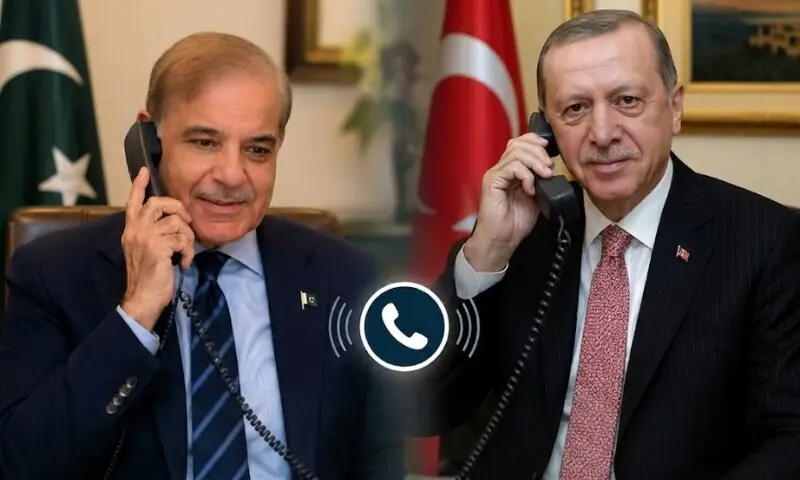
Former President Donald Trump said any agreement must include several other countries. He named Saudi Arabia and Pakistan as required to join the Abraham Accords.
The accords are a series of U.S.-brokered agreements from Trump’s first term. They were designed to normalize relations with Israel.
Trump’s proposal came as the emerging Iran deal faced criticism from fellow Republicans. They favor a harder line on Iran. The idea could add new diplomatic complications.
Trump pointed to Saudi Arabia and Qatar as countries that should sign on immediately, along with Pakistan, Turkey, Egypt and Jordan. Bahrain and the United Arab Emirates were the first to join in 2020. Pakistan has reportedly rejected the proposal.
Trump has long wanted Saudi Arabia to join. But the kingdom says any normalization deal requires a clear path for Palestinian statehood. That condition is also key for Pakistan, which does not have diplomatic relations with Israel.
The Abraham Accords were created with U.S. influence during Trump’s first term. They began between Israel, the UAE and Bahrain. Sudan, Morocco and most recently Kazakhstan later joined.
The accords were framed as an effort to boost cooperation across the Middle East and North Africa. The Trump administration saw them as part of a path toward full ties with Israel.




 English (US) ·