
.png)
 33 minutes ago
1
33 minutes ago
1
ARTICLE AD BOX
ISLAMABAD, (APP - UrduPoint / Pakistan Point News - 17th May, 2026) In a landmark reaffirmation of the rule of law and the sanctity of international treaties, the Court of Arbitration at the Permanent Court of Arbitration (PCA) in The Hague delivered a Supplemental Award, upholding Pakistan’s position, including maximum pondage limits for Indian hydroelectric projects on the western rivers under the Indus Waters Treaty (IWT) of 1960.
The Award was handed down in the Indus Waters Treaty proceedings arising from the Ratle Hydroelectric Plant and the Kishenganga Hydroelectric Project design disputes, despite India’s complete boycott of the proceedings, reinforcing strict restrictions on India’s ability to store or disrupt flows from the Indus, Jhelum, and Chenab rivers — waters vital for Pakistan’s agriculture, economy, and millions of livelihoods.
The development comes against the backdrop of India’s controversial decision to hold the IWT in “abeyance” following the Pahalgam attack in April 2025 — a move the treaty itself does not permit. Pakistan invoked the treaty’s robust dispute settlement process, leading to the PCA’s latest Supplemental Award on maximum pondage. The PCA has exposed India’s isolation in its contempt for international legal norms.
The Award affirms Pakistan’s central position that the Treaty places substantive limits on India’s water-control capability on the Western Rivers. These limits are not formalities. They apply at the planning and design stage and cannot be satisfied merely by a later assurance of operational restraint. Pondage for a Run-of-River Plant must be justified by real project needs, actual expected operation, site hydrology, hydraulic conditions, power-system requirements, and the information and explanation required under the Treaty.
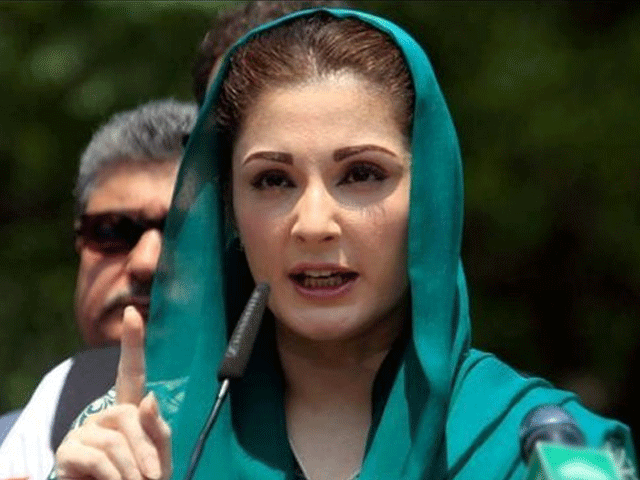
A Government of Pakistan spokesperson, in a statement, noted with utmost satisfaction the Court of Arbitration’s Supplemental Award, saying, "The Award is a strategic consolidation of Pakistan’s Treaty position: maximum Pondage must be realistic, evidence-based, hydrologically grounded, power-system justified, Treaty-compliant, and incapable of inflation through artificial assumptions."
It said that the Award also strengthened Pakistan’s review rights. India must provide Pakistan with sufficient information and explanation to assess Treaty compliance. If India fails to do so, it fails to carry its burden of establishing that the proposed maximum Pondage satisfies Paragraph 8(c) of Annexure D.
"The Award is a strategic consolidation of Pakistan’s Treaty position: maximum Pondage must be realistic, evidence-based, hydrologically grounded, power-system justified, Treaty-compliant, and incapable of inflation through artificial assumptions.
<?php /*?> <?php */?>"
The statement added that the Court further confirmed that any applicable minimum-flow obligation must be taken into account in calculating Pondage required for Firm Power where such obligation exists and is not otherwise satisfied.
Pakistan will place these interpretations before the Neutral Expert process, consistent with Treaty procedures and applicable confidentiality arrangements, it added.
"Pakistan remains committed to the Indus Waters Treaty, its dispute-resolution procedures, and the peaceful settlement of water-related differences. Pakistan will continue to protect its rights under the IWT and will pursue every lawful and diplomatic means to ensure that hydroelectric projects on the Western Rivers are designed and operated strictly within Treaty limits," the spokesperson added.
Building on the Court’s General Issues Award of 8 August 2025, the Supplemental Award gives practical effect to the standard that installed capacity and anticipated load must be realistic, well-founded and defensible. Installed capacity must correspond to actual expected operation, hydrologic and hydraulic data, and Treaty requirements. Anticipated load must correspond to actual expected operation and to the projected needs of the power system the plant is intended to serve.
The legal experts describe the Award a clear victory for Pakistan, which has consistently adhered to the treaty’s dispute resolution mechanisms while India has resorted to unilateralism and evasion.
“Every serious legal forum is now telling India the same thing: you cannot demand a rules-based order abroad while behaving like a treaty violator at home,” a security analyst remarked. India’s problem is no longer Pakistan; it is the growing international record documenting its contempt for treaties, arbitration, and lawful conduct, according to a security analyst.
He said that while Pakistan stood firmly by law, procedure, and treaty sanctity, India chose evasion, intimidation, and international embarrassment.
“The world is watching. The legal record is expanding. With this Supplemental Award, Pakistan has once again demonstrated its commitment to peaceful, rules-based resolution of transboundary issues, even as India undermines a World Bank-brokered treaty that has endured for over six decades,” the analyst added.

 English (US) ·