
.png)
 1 month ago
39
1 month ago
39
ARTICLE AD BOX
The landscape of cryptocurrency in Pakistan is shifting rapidly. Following the enactment of the Virtual Assets Act 2026 and the establishment of the Pakistan Virtual Asset Regulatory Authority (PVARA), the State Bank of Pakistan (SBP) has replaced its 2018 prohibition. This regulatory pivot has energized local stakeholders, positioning digital assets as a formal pillar of the national economy.
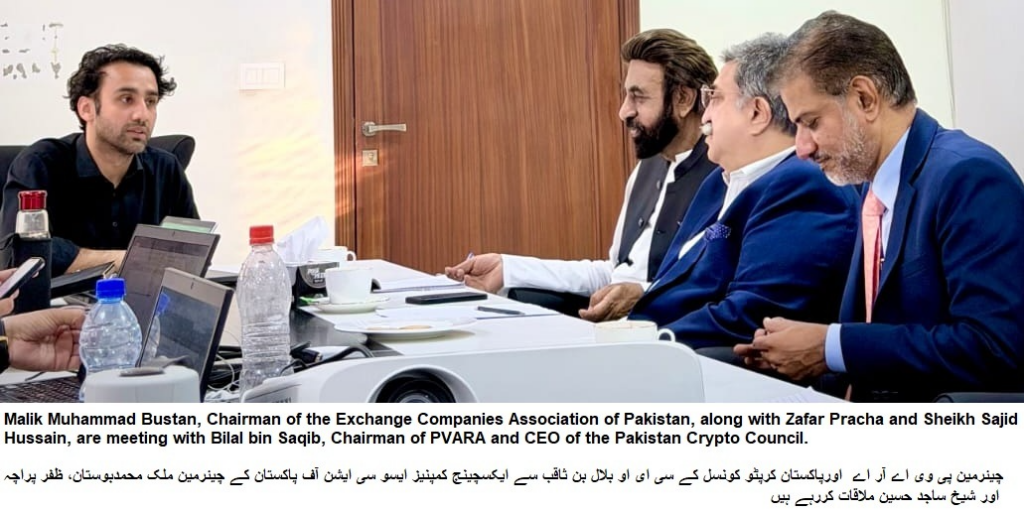
A delegation from the Exchange Companies Association of Pakistan (ECAP) Led by Chairman Malik Bostan and General Secretary Zafar Paracha, the group met with the Minister of State for Finance, Azhar Kayani, and Bilal Bin Saqib, head of the Crypto Council. Their goal was clear: integrate crypto trading into the formal exchange sector.
The scale of the “shadow” market is staggering. Zafar Paracha revealed that nearly 30 million Pakistanis are already trading in secret. We are looking at a market exceeding $20 billion. Currently, exchange companies channel roughly $12 billion in foreign exchange annually. Paracha believes that by opening a dedicated cryptocurrency window, the figure could double to $24 billion.
“Legalizing this business could surge our total remittances from $40 billion to $50 billion,” Malik Bostan noted during the briefing.
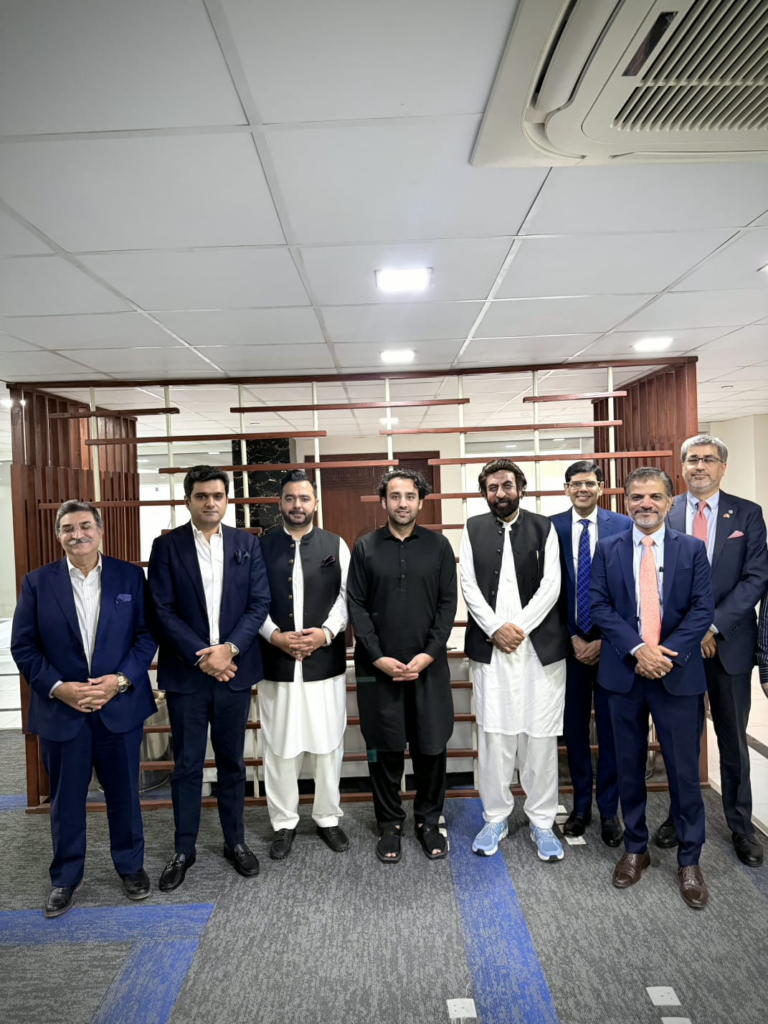
The momentum feels different this time. With PVARA now issuing No-Objection Certificates (NOCs) to major players, the bridge between traditional finance and blockchain technology is finally under construction. For the average investor, this means the transition from risky grey-market P2P deals to secure, bank-integrated virtual asset service providers.
Key Takeaways for Pakistan’s Crypto Future
- Market Size: Over $20 Billion in existing digital asset value.
- User Base: Approximately 25 to 30 million active participants.
- Regulatory Body: PVARA now oversees all VASP licensing.
- Economic Impact: Potential to increase annual remittances by $10 billion.


 English (US) ·