
.png)
 1 hour ago
7
1 hour ago
7
ARTICLE AD BOX
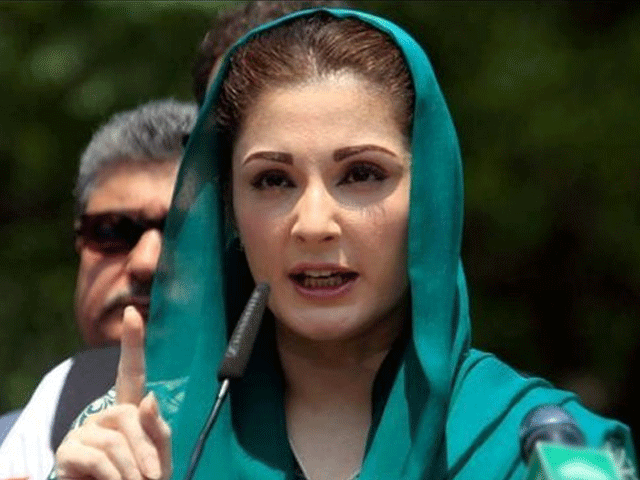
Information Technology Minister Shaza Fatima Khawaja on Sunday stressed the need for the proposed changes to telecommunication laws, as the existing legal framework did not meet the demands of modern technologies such as 5G.
The proposed Pakistan Telecommunication (Re-organisation) (Amendment) Bill 2026 had been approved by the National Assembly on June 11, but amid controversy over its multiple clauses, a special committee has suggested major changes to its language.
Addressing a press conference alongside Law Minister Azam Nazeer Tarar in Islamabad today, Khawaja noted the proposed bill sought to amend the Pakistan Telecommunication (Re-organisation) Act of 1996, which she said no longer adequately addressed the requirements of modern digital technologies.
Highlighting the rationale behind the proposed amendments, Khawaja said the existing telecommunications law was enacted when 2G technology was in use and was no longer sufficient to meet the demands of modern technologies such as 5G and next-generation digital connectivity.
The minister said Pakistan had witnessed a nearly 25 per cent increase in data consumption over the past two years, driven by population growth and the rapid adoption of digital technologies.
“Spectrum availability has increased from 274MHz to approximately 750MHz through the country’s largest-ever spectrum auction, while the rollout of next-generation telecommunications infrastructure was also underway.”
The minister said the proposed bill was aimed at facilitating investment in Pakistan’s digital infrastructure, expanding high-speed internet access, and removing regulatory barriers without compromising citizens’ fundamental rights.
“The nationwide rollout of modern telecommunications services required extensive infrastructure, including fibre-optic networks, telecom towers, and both underground and overground installations.”
She highlighted that out of Pakistan’s population of around 240 million, only 3m households had fibre-based internet connections when the present government assumed office in 2024.
Over the past two years, Khawaja said, the number of fibre connections had increased to more than 5m through various policy and technical interventions.
She said Prime Minister Shehbaz Sharif had set a target of extending wired broadband internet to at least 10m households over the next three years.
However, Khawaja said, the country’s existing regulatory framework had “not been conducive” to attracting the investment needed to achieve that objective.
The minister emphasised that the proposed bill was intended to improve the overall regulatory environment and address long-standing challenges related to the Right of Way (ROW) for telecom infrastructure.
She added that all provincial governments had played a “constructive role in implementing structural reforms”, while the Centre had also introduced measures to encourage greater investment in the sector.
She said ensuring internet access for every household in Pakistan remained one of her ministry’s primary responsibilities and pledged that the government would continue its efforts to improve nationwide digital connectivity.
During the press conference, the minister reiterated that the proposed legislation would allow anyone to occupy private land. She recalled that PM Shehbaz had constituted a committee headed by Tarar to examine the bill after public concerns emerged.
IT minister hints at legal action if allegations against her found baseless
Referring to allegations made against her and the IT secretary regarding their financial integrity, the minister said she had requested PM Shehbaz to order a formal inquiry into the matter.
“I will fully accept responsibility if any wrongdoing is established through the investigation and will abide by whatever decision the prime minister makes,” the minister maintained.
However, she added that if the allegations were found to be baseless, both she and the IT secretary reserved the legal right to pursue legal action under the Constitution and relevant laws after consulting legal experts.
Speaking on the occasion, the law minister said the allegations of financial benefit against the IT minister and the IT secretary, made under the pretext of the bill, were unfounded.
“Expanding internet access across the country is the responsibility of the Ministry of Information Technology and Telecommunication in line with the prime minister’s vision,” Tarar said.
He further said the parliamentary committee had found no evidence that the legislation was intended to favour any individual and noted that the NA had passed the bill with six amendments.
The law minister said the legislation primarily addressed issues involving housing societies that entered into agreements but later created obstacles to the development of telecom infrastructure.
“The consent of property owners will remain mandatory before laying fibre-optic cables through private land,” he clarified.
He emphasised that any citizen who did not wish to allow telecom infrastructure on their private property had the legal right to refuse, reiterating that the proposed law would not result in the forced use or occupation of anyone’s private property.
Follow Dawn Business on X, LinkedIn, Instagram and Facebook for insights on business, finance and tech from Pakistan and across the world.





 English (US) ·