
.png)
 3 months ago
38
3 months ago
38
ARTICLE AD BOX
The federal government of Pakistan is progressing towards mandatory work from home policy to fight the increasing fuel prices and also to manage their supply. Out of the Middle East tensions and the closure of the Strait of Hormuz, the plan will have the weekly reconsideration of petrol prices since March 8, 2026. The goal of this strategy is to stabilize the reserves of the country and relieve the economic pressure.
The Strategy: Work From Home Pakistan
As the Strait of Hormuz (a major oil channel) is being shaken, Pakistan is finding itself in the heat of increased freight and insurance rates. The work from home policy that is proposed in Pakistan is not merely a proposal, but a move to the strategic decision of cutting down the fuel use in the country. On March 6, 2026, officials confirmed that the plan was a copy of the effective remote-work guidelines that were observed during the 2020 pandemic.
Under the new guidelines:
- Corporate & Government Offices: Non-critical employees will transition into a hybrid work arrangement where he/she will work no less than two days a week at home.
- Education Sector: Online education or distance learning will be adopted in universities and schools to reduce the use of energy in campuses.
- Commuting: The government is also encouraging carpooling and cutting down on official fuel allocation on departments.
While the Oil and Gas Regulatory Authority (OGRA) insists current stocks are stable for roughly 26 days, the “war premium” on imports is soaring. Shipping costs have jumped from $900,000 to over $4 million per vessel. To prevent an economic spiral, the Economic Coordination Committee (ECC) is reviewing a summary to move from fortnightly to weekly petroleum price revisions starting March 8. This ensures that global price hikes reflect at the pump immediately, preventing oil marketing companies from facing a liquidity crisis.
Timeline for Implementation of Work From Home Policy Pakistan
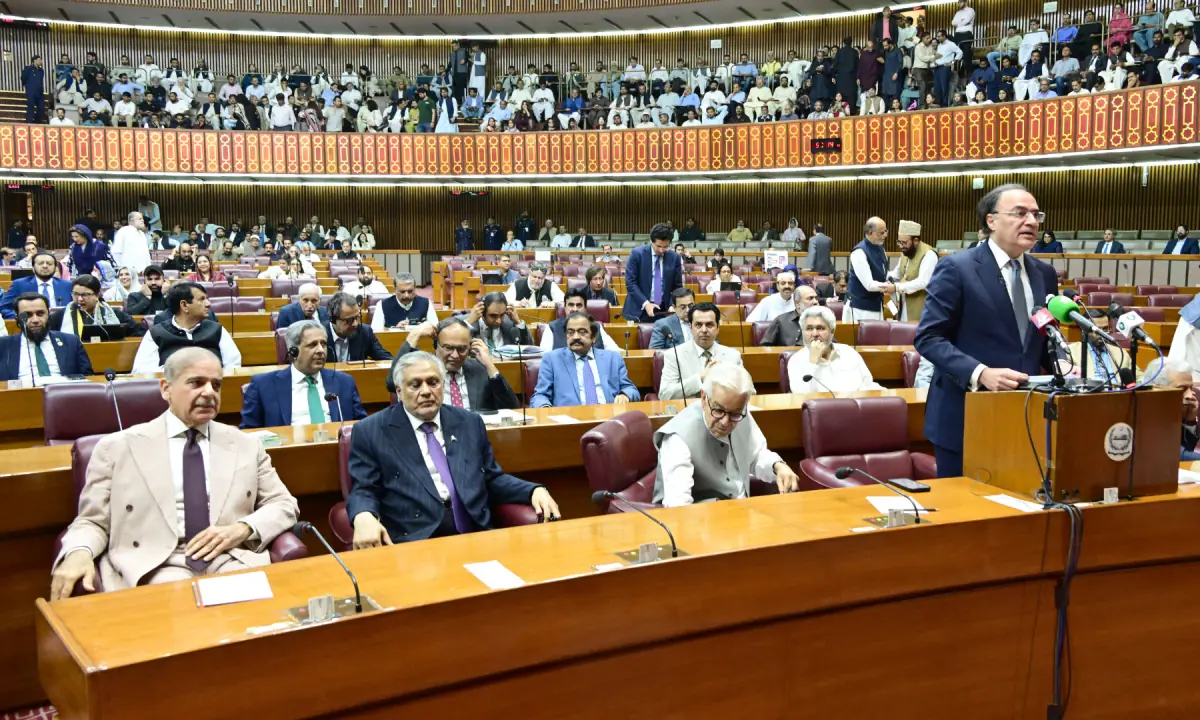
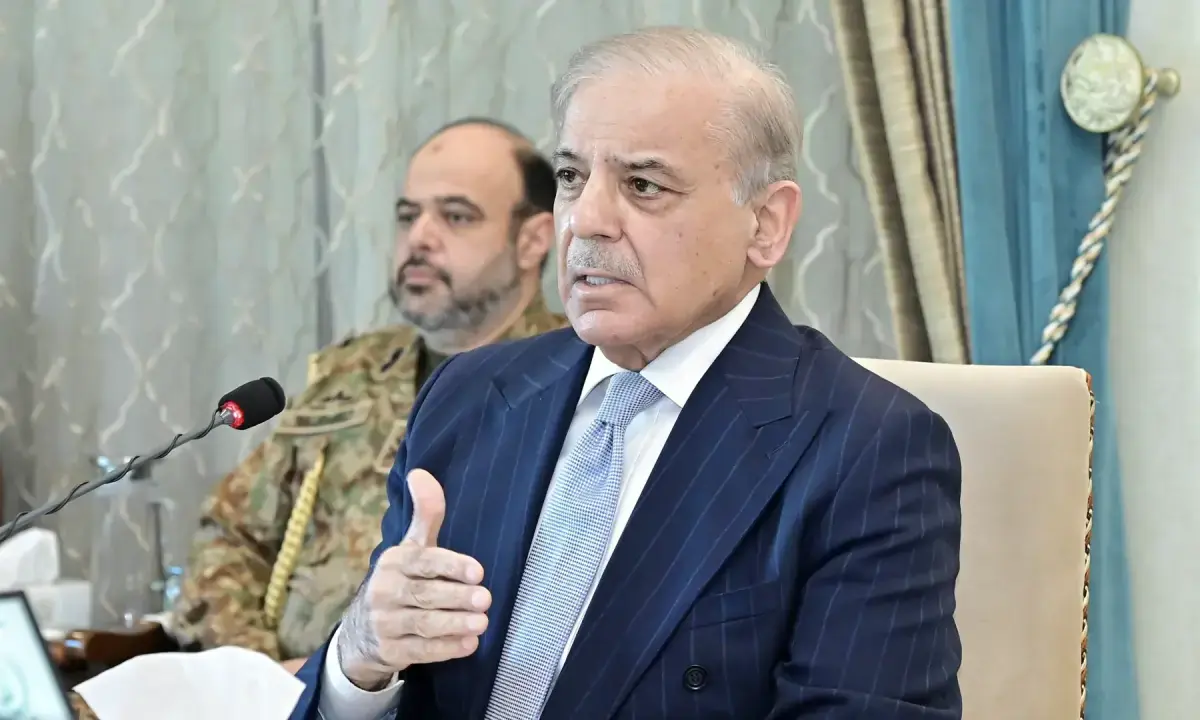
Finance Minister Muhammad Aurangzeb finalized the “National Action Plan” following high-level meetings with provincial chiefs. Prime Minister Shehbaz Sharif is expected to give the final nod today. If approved, you can expect the work from home Pakistan directives to take effect by mid-March. This proactive stance aims to protect foreign exchange reserves and prevent the “panic buying” often seen during regional instability.



 English (US) ·