
.png)
 3 months ago
33
3 months ago
33
ARTICLE AD BOX
SPI jumps a massive 6.44% YoY as petrol, diesel and LPG costs surge
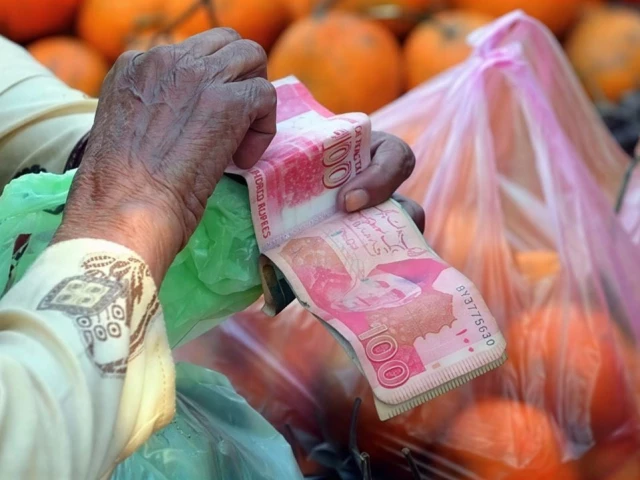
Pakistan's finance ministry had projected inflation would remain within a 5% to 6% range in January. PHOTO:FILE
KARACHI:
Pakistan's short-term inflation indicator recorded a notable increase, as the Sensitive Price Indicator (SPI) rose 6.44% year-on-year during the week ended March 11, 2026, mainly driven by a sharp rise in energy and essential food prices, according to data released by the Pakistan Bureau of Statistics (PBS). On a week-on-week basis, the SPI increased by 1.89%, reflecting a significant jump in the cost of key household commodities. The rise was largely attributed to a surge in petroleum product prices following recent adjustments in fuel rates due to the US-Israel war on Iran. Among the major contributors, petrol prices increased by 20.60% while diesel surged by 19.54% compared to the previous week. Similarly, the price of liquefied petroleum gas (LPG) rose by 12.13%, putting additional pressure on household budgets, particularly in areas where LPG is widely used for cooking. Food items also registered notable increases during the week. The price of onions climbed 9.63%, while bananas rose 1.44% and wheat flour increased by 1.28%. Other items posting smaller increases included chicken (0.66%), pulse mash (0.55%), firewood (0.38%), pulse gram (0.10%), fresh milk (0.08%), and cooked beef (0.02%). However, some commodities witnessed price declines, partially offsetting the overall rise. The price of tomatoes fell by 3.66%, followed by potatoes, which declined 2.86%. Other items registering decreases included garlic (0.42%), IRRI-6/9 rice and pulse masoor (0.19% each), mustard oil (0.16%), pulse moong (0.12%), and sugar (0.09%). PBS data showed that out of 51 essential items monitored, the prices of 14 items (27.45%) increased, 9 items (17.65%) decreased, while 28 items (54.90%) remained unchanged during the week. On a year-on-year basis, the SPI increase of 6.44% was mainly driven by higher energy costs and staple food prices. The most significant increases were recorded in diesel (29.94%), gas charges for the lowest consumption slab (29.85%), LPG (29.21%), wheat flour (27.75%), and petrol (25.75%). Other food items that recorded annual increases included chilly powder (15.20%), beef (12.00%), powdered milk (10.10%), mutton (9.61%), gur (7.10%), broken basmati rice (6.51%), and cooked beef (5.17%). Meanwhile, several food items registered notable annual declines. Potato prices dropped by 51.92%, while chicken fell 25.92%, eggs declined 23.76%, and tomatoes dropped 23.02%. Prices of pulse gram (19.76%), garlic (18.25%), powdered salt (12.52%), and sugar (12.02%) also decreased compared to the same period last year. The SPI tracks the prices of essential commodities consumed by different income groups and serves as a key short-term indicator of inflationary trends in the country.







 English (US) ·