
.png)
 7 hours ago
3
7 hours ago
3
ARTICLE AD BOX
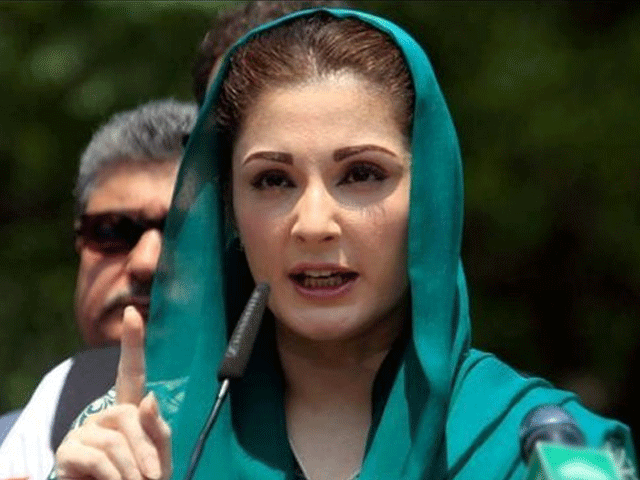
ISLAMABAD, (APP - UrduPoint / Pakistan Point News - 13th May, 2026) Federal Minister for Information Technology and Telecommunication, Shaza Fatima Khawaja on Wednesday said Pakistan’s ongoing digital transformation under “CPEC 2.0” carries significant potential to expand the national economy through data-driven policymaking, digitisation and growth in e-commerce.
Addressing the inauguration ceremony of the IBI Pakistan Digital Economy Headquarters, she said the initiative followed the Prime Minister’s visit to China in September last year, which led to consultations with relevant stakeholders and the eventual establishment of the Digital Economy Headquarters at a Special Technology Zone.
She said the headquarters was a flagship bilateral initiative aimed at strengthening high-priority economic cooperation between Pakistan and China.
Operating under the China-Pakistan Economic Corridor (CPEC) framework, it integrated trade facilitation, investment promotion, supply chain digitisation, SME empowerment and policy dialogue under a unified execution platform.
She said Pakistan’s engagement with CPEC began in 2013 during the tenure of then Prime Minister Nawaz Sharif.
She added that Pakistan and China have continued to deepen their partnership, with relations now extending beyond traditional diplomatic ties.
Under the leadership of Prime Minister Shehbaz Sharif, she said, the country has entered a new phase of cooperation focused on improved execution of development initiatives.
<?php /*?> <?php */?>The minister said discussions on the Digital Economy Headquarters began during the Prime Minister’s visit to China last year, where she first engaged with the IBI team.
She described the project’s completion as part of a “whole-of-government approach,” supported by the Special Investment Facilitation Council (SIFC), which she said has helped address longstanding administrative and operational bottlenecks.
Outlining the Digital Nation Pakistan Act, she said it was built on three pillars: digital economy, digital society and digital governance, with the digital economy remaining the government’s top priority.
She added that Pakistan’s Gross Domestic Product (GDP) exceeded US$ 400 billion, with nearly half of it still within the informal sector.
Citing industry estimates, she said digital transformation across sectors could add 5 to 7 percent to GDP by 2030, strengthening the case for accelerated digital adoption.
She highlighted Pakistan’s expanding digital ecosystem, including more than 250 million mobile subscribers and over 157 million mobile internet users, saying this provides a strong foundation for e-commerce growth.
Emphasising upon the importance of data-driven governance, she said future policy making in both government and business sectors must rely on accurate data to ensure efficiency, transparency and improved planning.


 English (US) ·