
.png)
 1 day ago
1
1 day ago
1
ARTICLE AD BOX
An annual catalogue of forgotten belongings offers insights into how people live, travel and consume
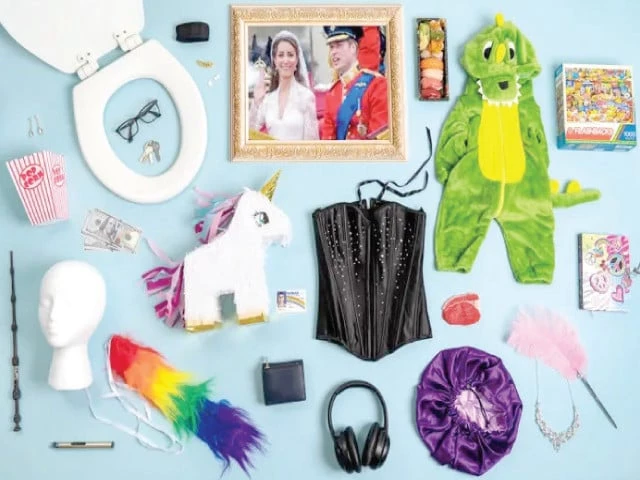
Photo: Uber
In an age when smartphones rarely leave our hands and digital technology keeps track of almost every aspect of daily life, one thing remains remarkably unchanged: people still forget their belongings. Lots of them. The latest edition of Uber's Lost & Found Index, marking its tenth anniversary, reveals not only what passengers leave behind in ride-hailing vehicles but also how those forgotten possessions have evolved into a curious reflection of contemporary culture. Over the past decade, the annual compilation has transformed from a simple inventory of misplaced objects into a surprisingly revealing social snapshot. Some items on this year's list are exactly what one might expect. Phones remain the most commonly forgotten possession by a considerable margin, followed by wallets, luggage, keys, headphones and clothing. These everyday essentials continue to dominate reports filed by absent-minded passengers rushing between appointments, social gatherings and airports. Yet it is the stranger entries that capture public imagination and tell a broader story about the times. Among the most unusual items reported lost this year were dentures, breast milk, human hair, a mannequin, a dishwasher, a coffee table, a package of live butterflies and even a 75-gallon fish tank. One passenger somehow managed to leave behind two wedding gowns, while another forgot pelvis implants. The bizarre collection highlights a simple truth: virtually anything that can fit into a vehicle has a chance of being forgotten. Beyond the amusement, however, the index serves as an unconventional record of changing lifestyles and cultural trends. Looking back over 10 years of reports reveals how social habits, health trends and consumer preferences have shifted. In 2021, vaccine cards and face masks became prominent among lost items as the world adapted to life during the Covid-19 pandemic. In more recent years, wellness-related products have appeared with increasing frequency. This year's list included peptides, sea moss supplements, protein powders and various health and beauty products. Even medications associated with contemporary weight-loss trends have made appearances. Popular culture also leaves a distinct imprint on the back seats of ride-hailing vehicles. Concert merchandise, gaming devices and collectibles frequently feature among lost possessions. The latest index notes a rise in abandoned Labubu designer toys, reflecting the global craze surrounding collectible figurines and social-media-driven consumer trends. Fashion trends emerge just as clearly. Crocs, designer belts, luxury scarves and branded clothing items all found their way onto the list. Among the more expensive possessions left behind were Rolex watches, Gucci accessories, Dior products, Burberry blankets and Christian Louboutin footwear. The phenomenon raises interesting questions about modern attention spans. Psychologists have long argued that multitasking and information overload contribute to forgetfulness. With many people constantly switching between phones, messages, navigation apps and social media, everyday distractions have become deeply embedded in daily routines. The timing of lost-item reports appears to support that theory. According to the index, Sundays are the most common day for forgotten belongings, while the highest concentration of losses occurs between 9pm and midnight. Social activities, celebrations and weekend outings appear to play a significant role in absent-minded behaviour. Certain patterns have remained remarkably consistent over the years. Monday and Tuesday continue to rank among the least forgetful days, suggesting that structured work routines may encourage greater awareness of personal belongings. Major holidays and celebrations, meanwhile, consistently generate spikes in lost items. Events such as Halloween, St Patrick's Day and New Year's Eve regularly appear among the most forgetful occasions. Geography also seems to matter. New York City once again topped the list of America's most forgetful cities, followed by Miami, Chicago, San Francisco and Los Angeles. High-tourism destinations have repeatedly appeared near the top of rankings throughout the decade, reinforcing the notion that people tend to be less attentive when travelling or enjoying leisure time. The 10-year retrospective offers some particularly memorable examples. Previous years saw passengers leave behind a lobster, divorce papers, a salmon head, a large painting of Catherine, Princess of Wales, a taxidermied rabbit and even a toy poodle. Such entries have become part of the index's enduring appeal, illustrating both human unpredictability and the extraordinary range of objects transported in modern urban life. Technology itself tells perhaps the most significant story. Smartphones and wireless earbuds have repeatedly topped lost-item reports year after year. The devices that people rely on most heavily have also become the ones they are most likely to forget. It is a paradox of modern living: the more indispensable an object becomes, the more devastating—and apparently common—it is to leave it behind. As ride-hailing companies continue improving systems to reunite passengers with their possessions, the annual index serves a purpose beyond entertainment. It documents the changing habits, obsessions and priorities of millions of people. In a sense, every forgotten item becomes a tiny cultural artefact. From luxury handbags and gaming consoles to dentures and fish tanks, the objects people leave behind reveal a surprisingly intimate portrait of modern life. Trends come and go, technology evolves and cultural fashions change, but one characteristic appears stubbornly constant. Human beings, it seems, remain wonderfully and irredeemably forgetful.







 English (US) ·